Common Sexual Health Concerns
Lack of Libido
Low sexual desire affects both men and women at every stage of life. Understanding the science behind libido opens the door to effective, compassionate treatment.
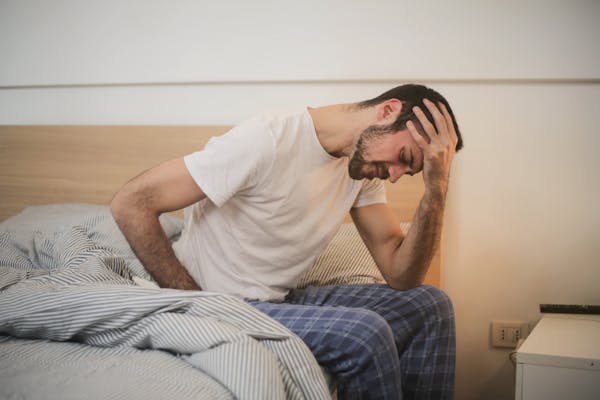
Understanding Low Sexual Desire
Lack of libido -- clinically termed hypoactive sexual desire -- is one of the most common concerns seen in sexual medicine. It refers to a persistent reduction in the motivation for sexual activity that causes personal distress. It is not simply about frequency; it is about the felt absence of wanting, thinking about, or initiating intimacy.
Research suggests that up to one in three women and one in six men experience clinically low desire at some point. It can arise at any age and in any relationship context, and it responds well to professional intervention once the contributing factors are identified.
Types of Low Desire
Generalised Low Desire
Reduced desire across all situations -- not specific to a partner, context, or type of activity. Often linked to hormonal, medical, or neurochemical factors that broadly lower the baseline drive.
Situational Low Desire
Desire is absent in specific contexts -- for instance, with a current partner or during routine encounters -- but present in others. This pattern points to relational, psychological, or contextual causes.
What Causes Low Libido
Hormonal Factors
- Low testosterone (in both men and women)
- Menopause-related oestrogen decline
- Thyroid disorders or adrenal fatigue
- Hormonal contraceptives affecting desire
Psychological Factors
- Depression, anxiety, or chronic stress
- Body image concerns or low self-esteem
- Past sexual trauma or negative conditioning
- Performance anxiety creating avoidance
Relational Factors
- Emotional disconnection or unresolved conflict
- Feeling criticised, controlled, or unsafe
- Loss of novelty and erotic tension over time
- Caregiver fatigue from unequal domestic roles
Medical Factors
- Antidepressants (SSRIs) and other medications
- Chronic pain, diabetes, or cardiovascular disease
- Post-surgical changes or neurological conditions
- Sleep disorders and persistent fatigue
The Dual-Control Model of Desire
Modern sexology understands desire through the dual-control model: arousal depends on the balance between sexual "accelerators" (things that activate desire) and sexual "brakes" (things that suppress it). Low libido is rarely about a broken accelerator alone -- it is often about too many brakes being pressed at once.
Stress, fatigue, relationship tension, medication side effects, and body image worries all act as brakes. Effective treatment identifies which brakes are active and systematically reduces them, while also strengthening the conditions that allow desire to emerge naturally.


Our Treatment Approach
Comprehensive Assessment
A detailed evaluation of hormonal, medical, psychological, and relational factors to build a clear picture of what is suppressing desire.
Hormonal Optimisation
Where indicated, targeted hormonal treatment -- testosterone therapy, thyroid management, or medication review -- to restore the biological foundation of desire.
Psychological Intervention
CBT and mindfulness-based approaches to address depression, anxiety, trauma, and the negative thought patterns that act as brakes on desire.
Couples Work
Improving emotional safety, communication, and erotic connection so that the relational context supports rather than suppresses desire.
Sensate Focus Programme
Structured exercises that rebuild comfort with physical intimacy, removing pressure and allowing arousal to develop at a natural pace.
Why Patients Choose Us
25+ Years of Expertise
Decades of specialised experience treating low desire in men and women with evidence-based methods.
Gender-Inclusive Care
We understand that low libido presents differently across genders and tailor treatment accordingly.
Online Sessions Available
Private, convenient video consultations from the comfort of your home anywhere in India.
No Judgement, Only Support
A safe, compassionate space where you can speak openly about what you are experiencing.
Desire Can Be Rekindled
Low libido is not a permanent state. With the right support, most people rediscover a fulfilling sense of desire and connection. Take the first step today.