Evidence-Based Treatment
Sex Therapy
Structured, scientifically validated psychosexual therapy to help individuals and couples overcome sexual difficulties and rediscover fulfilling intimacy.

What is Sex Therapy?
Sex therapy is a specialised form of psychotherapy that uses structured, evidence-based techniques to treat sexual dysfunction and improve sexual wellbeing. Unlike general counselling, sex therapy follows specific clinical protocols developed through decades of scientific research.
It addresses the complex interplay between biological (hormones, nervous system, medications), psychological (anxiety, beliefs, trauma), and relational (communication, attachment, trust) factors that contribute to sexual difficulties.
Sex therapy does not involve any physical contact or sexual activity during sessions. It is a talking therapy supplemented with exercises that you practise privately at home.

The Science Behind Sex Therapy
Understanding the neuroscience of sexual response helps explain why sex therapy works.
The Dual-Control Model of Sexual Response
Proposed by Bancroft and Janssen at the Kinsey Institute, this model explains that sexual arousal is governed by two independent systems in the brain:
Sexual Excitation System (SES)
The "accelerator" -- responds to sexually relevant stimuli and sends signals to turn arousal ON. Processes erotic cues, touch, emotional connection, and fantasies.
Sexual Inhibition System (SIS)
The "brake" -- responds to perceived threats (anxiety, stress, fear, shame, pain) and sends signals to turn arousal OFF. Overactive in most sexual dysfunctions.
Clinical insight: Most sexual problems are not caused by an underactive accelerator but by an overactive brake. Sex therapy works by reducing the inhibitory signals -- removing anxiety, negative beliefs, and fear-based reflexes -- so the natural arousal response can function freely.
The Anxiety-Performance Cycle
A core concept in sex therapy is understanding how anxiety creates a self-perpetuating cycle of sexual dysfunction:
Therapeutic Models We Use
Our practice integrates the most validated approaches in sexual medicine, tailored to each individual's needs.
Masters & Johnson Model
The Foundation of Modern Sex Therapy
Developed by pioneering researchers William Masters and Virginia Johnson in the 1960s-70s, this model introduced the concept that sexual dysfunction is best treated as a couple issue rather than an individual problem. Their dual-therapist approach and behavioural exercises revolutionised the field.
Key Techniques
Cognitive Behavioural Therapy (CBT)
Rewiring Thought Patterns That Block Intimacy
CBT for sexual dysfunction identifies and restructures the negative automatic thoughts, catastrophic thinking, and distorted beliefs that drive anxiety, avoidance, and inhibition during sexual activity. It is one of the most rigorously studied psychotherapy approaches worldwide.
Key Techniques
Mindfulness-Based Sex Therapy
Present-Moment Awareness for Deeper Connection
Rooted in mindfulness-based stress reduction (MBSR) and adapted for sexual contexts by researchers like Dr Lori Brotto, this approach trains individuals to shift attention away from performance monitoring ("spectatoring") and toward bodily sensations, enhancing arousal and pleasure.
Key Techniques
Emotion-Focused Therapy (EFT)
Healing the Emotional Bond Behind Intimacy
Developed by Dr Sue Johnson, EFT views sexual difficulties through the lens of attachment theory. When partners feel emotionally disconnected or insecure, sexual problems often follow. By repairing the emotional bond, sexual intimacy naturally improves.
Key Techniques
Sensate Focus: A Closer Look
Sensate focus remains the cornerstone exercise in sex therapy. Developed by Masters & Johnson and refined over 50+ years, it systematically rebuilds the connection between touch, pleasure, and safety.
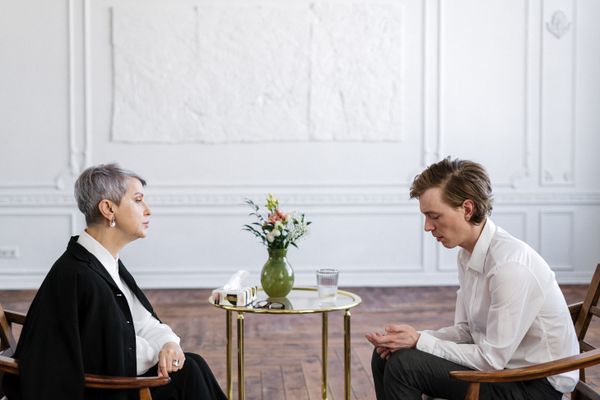
Sensate focus removes the pressure to "perform" and replaces it with curiosity and presence.
Non-Genital Touching
Partners take turns touching each other's bodies (excluding breasts and genitals) while focusing purely on the sensations of touch. The "receiving" partner gives feedback. There is no goal of arousal -- only awareness.
Neuroscience: Activates the parasympathetic nervous system, counteracting the sympathetic (fight-or-flight) response that drives performance anxiety.
Genital Inclusion
Touching is expanded to include breasts and genitals, but still with a focus on sensation rather than arousal or orgasm. Partners continue practicing non-demand exploration and communication.
Neuroscience: Gradually desensitises anxiety triggers through systematic exposure, while reinforcing positive sensory experiences.
Mutual Touching
Both partners touch simultaneously, learning to balance the role of giver and receiver. Awareness of mutual pleasure develops without intercourse pressure.
Neuroscience: Builds reciprocal arousal pathways and enhances interoceptive awareness -- the brain's ability to read internal body signals.
Containment & Intercourse
Gradual progression to genital containment (penetration without movement) and eventually intercourse, maintaining the sensate-focus mindset of awareness over performance.
Neuroscience: By this stage, new neural pathways have been established linking sexual contact with safety and pleasure rather than anxiety.
Conditions Treated Through Sex Therapy
Sex therapy is effective for a wide range of sexual difficulties in both men and women.
Sexual Aversion & Avoidance
Persistent avoidance of genital contact, often rooted in anxiety, past trauma, or phobic responses to intimacy.
Performance Anxiety
Self-monitoring ("spectatoring") during sex that triggers a fight-or-flight response, disrupting arousal and function.
Sexual Trauma Recovery
Systematic, trauma-informed therapy to process past abuse or negative experiences affecting current intimacy.
Desire Discrepancy
Structured approaches when partners have different libido levels, preventing resentment and restoring balance.
Orgasmic Dysfunction
Directed techniques for anorgasmia or delayed orgasm in both men and women, addressing physical and psychological blocks.
Compulsive Sexual Behaviour
Evidence-based treatment for out-of-control sexual behaviour patterns that cause distress or impair daily functioning.

What Happens in a Session?
Assessment & History
A detailed sexual, medical, and relational history helps identify contributing factors. Standardised questionnaires may be used.
Psychoeducation
Understanding the anatomy of arousal, the dual-control model, and how your specific difficulty works neurologically is itself therapeutic.
Targeted Interventions
Specific techniques from the appropriate therapeutic model are introduced -- sensate focus, cognitive restructuring, mindfulness exercises, or communication tools.
Home Exercises & Review
Exercises are practised at home between sessions. Progress is reviewed, challenges are addressed, and the plan is adjusted as you advance.
Common Questions About Sex Therapy
"Is sex therapy just talking about sex?"
Sex therapy is a structured clinical intervention, not just a conversation. It uses specific therapeutic protocols, cognitive techniques, and prescribed homework exercises backed by decades of research. Sessions are professional, focused, and goal-oriented.
"Do I need to come with my partner?"
Not necessarily. While many sexual difficulties benefit from couples sessions, sex therapy can be highly effective for individuals too. We assess your situation and recommend the best format for you.
"How long does treatment typically take?"
Most treatment plans involve 8 to 16 sessions over several months. Some simpler concerns resolve in fewer sessions, while complex or trauma-related issues may take longer. Progress is typically steady and noticeable.
"Is there any physical examination involved?"
Sex therapy is purely a talking therapy. If a physical examination or medical investigation is needed, it is a separate process with your full consent and is coordinated with medical care.
"Can this be done through online consultation?"
Absolutely. Research confirms that online sex therapy is as effective as in-person sessions. Most of our therapy protocols -- including sensate focus guidance, CBT exercises, and mindfulness training -- are delivered effectively via secure video consultation.
"I feel ashamed talking about these problems."
That is completely understandable. Sexual difficulties are medical conditions, not moral failures. Our clinic has over 25 years of experience creating a warm, non-judgmental space. Many patients say the hardest step was making the first call -- after that, it gets much easier.
Why Choose Our Practice
Internationally Trained Specialist
Dr Chakravarthy holds qualifications from the European Society for Sexual Medicine, the American College of Sexologists, and over 25 years of clinical experience.
Evidence-Based Protocols
Every treatment plan follows peer-reviewed, clinically validated frameworks. No pseudoscience, no unproven remedies -- only approaches backed by rigorous research.
Absolute Confidentiality
Encrypted online consultations, private clinic rooms, and strict data protection. Your privacy is treated as sacred.
Integrated Medical + Therapeutic Care
As a medical doctor and certified sexologist, Dr Chakravarthy uniquely combines pharmaceutical treatment with psychosexual therapy for comprehensive results.
Your Sexual Wellbeing Matters
Sexual difficulties are medical conditions with proven treatments. Taking the step to seek help is a sign of strength, not weakness. Let us help you reclaim your confidence and intimacy.
Online & in-person consultations available. Complete privacy guaranteed.